
How to Estimate Renovation Impact Before You Buy
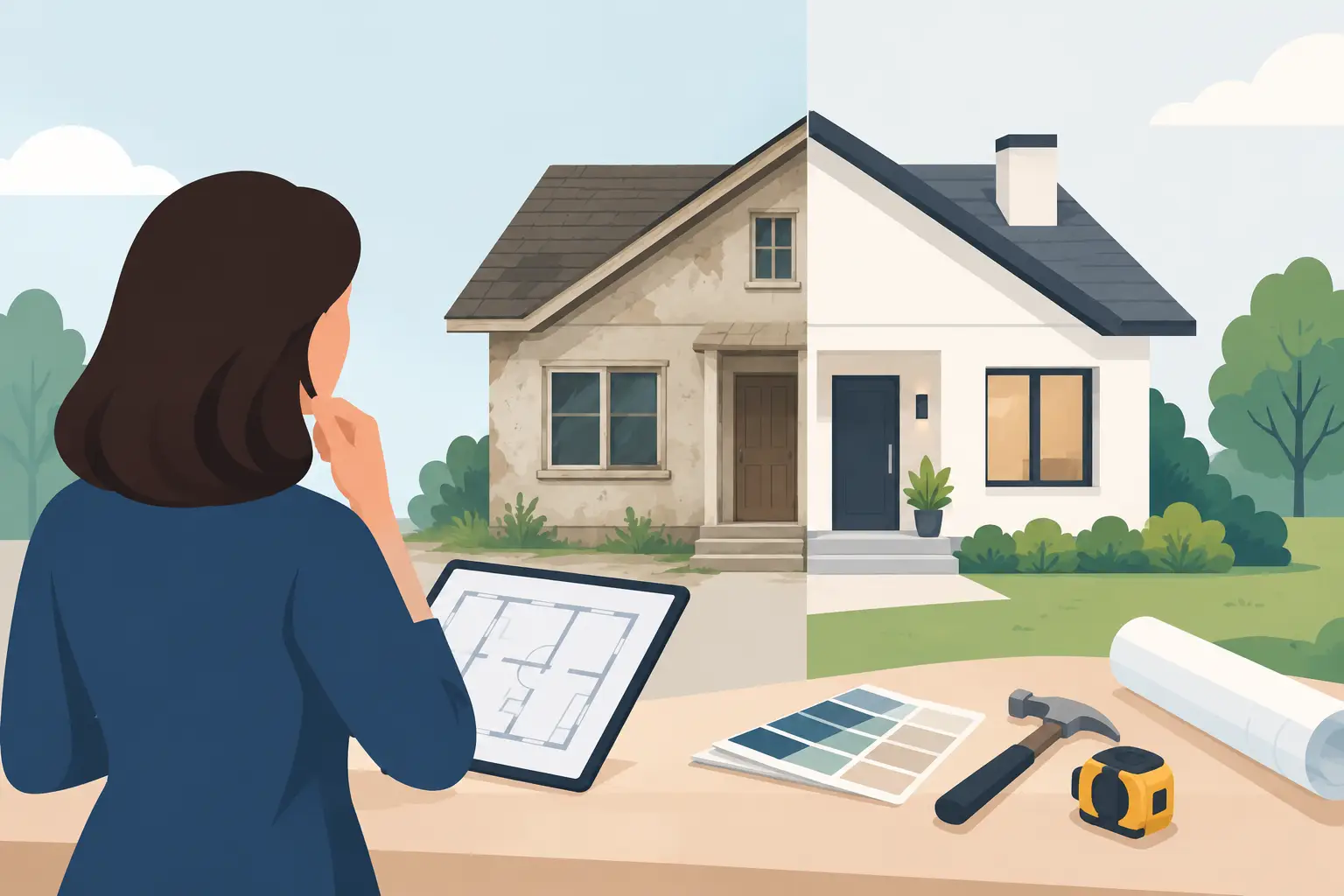
A flat can look like a bargain at €3,200 per square meter until the kitchen, wiring, windows, and building façade turn it into a much more expensive purchase. Knowing how to estimate renovation impact means separating cosmetic potential from costs that should change your offer - or stop the purchase altogether.
For buyers of second-hand apartments in Spain, renovation is not a single number. It affects the cash you need at completion, the time before you can live in or rent the property, the risk you assume, and the price you can reasonably justify in negotiation. The right question is not, “How much will a new kitchen cost?” It is, “What will this property cost me once it reaches the condition I need, and does that total still make sense for this location?”
Start With the Property’s Current Condition
Before pricing any work, classify what you are looking at. A fresh coat of paint and replacement cabinet fronts are discretionary upgrades. A leaking roof, old electrical installation, moisture damage, or a failed plumbing stack are defects. Treating both as “renovation” hides the difference between a personal choice and a financial obligation.
During the viewing, record the condition room by room. Look beyond staged furniture and lighting. Check for cracks around windows, stains on ceilings, uneven floors, weak water pressure, outdated electrical panels, single-pane windows, and signs of humidity in exterior walls or bathrooms. Ask whether the heating, air conditioning, water heater, and appliances work, but do not rely on a verbal answer alone.
Then divide the work into three categories: essential before move-in, advisable within the first few years, and optional improvements. This prevents a common buyer error: discounting the asking price for a designer bathroom while failing to budget for a necessary electrical upgrade.
How to Estimate Renovation Impact on Your Budget
Build the estimate from the whole purchase, not from contractor quotes in isolation. Your effective acquisition cost is the agreed purchase price, taxes and closing costs, immediate renovation work, a contingency reserve, and any financing cost caused by the works or a delayed move-in.
For an apartment in Spain, costs vary sharply by city, building access, finishes, and the scope of work. A superficial refresh may be relatively contained. Moving kitchens or bathrooms, replacing installations, changing layouts, or correcting moisture can escalate quickly because labor, permits, demolition, debris removal, and specialist trades all enter the budget.
Do not use a broad “per-square-meter renovation” figure as your final answer. It can be useful for a first screen, but it is weak for decision-making. A 70-square-meter flat with one intact bathroom may cost less to renovate than a 50-square-meter flat with serious plumbing, outdated wiring, and a kitchen that must be relocated.
Request preliminary estimates once you are seriously considering a property. Give each contractor the same scope so you can compare like with like. If you cannot obtain quotes before offering, estimate conservatively and make the uncertainty visible in your numbers rather than pretending it does not exist.
Add a contingency. For cosmetic work, the reserve may be modest. For older properties, hidden installations, structural concerns, or moisture, a larger buffer is prudent. Opening walls often reveals conditions that no listing photo or brief viewing can confirm.
Include Building-Level Costs
The apartment is only part of the risk. In a condominium building, expensive work can arrive through the homeowners’ association. Ask for recent meeting minutes, the current budget, reserve fund information, and any approved or proposed special assessments.
Façade repairs, roof work, elevator replacement, accessibility improvements, plumbing stacks, and building-wide energy upgrades can materially affect your real cost. A renovated interior does not protect you from a large community assessment six months after completion.
Also ask whether the building has passed its required technical inspections where applicable and whether recommendations or pending repairs were identified. Your lawyer or technical professional should review documents relevant to the transaction. A market analysis can help you judge price, but it is not a substitute for legal or technical due diligence.
Price the Time, Not Just the Materials
A renovation can affect value even when the budget seems manageable. If the property is your home, consider temporary accommodation, storage, and the practical cost of postponing your move. If it is an investment, estimate lost rental income during works, furnishing time, and the risk of delays.
Permits and community approval may also matter. Internal cosmetic work can be simpler than changes involving structure, façades, plumbing risers, ventilation, or common elements. Requirements differ by municipality and by project. Never assume that a previous owner’s alteration was authorized just because it exists.
This is especially relevant when a listing advertises a terrace enclosure, changed layout, or an extra bedroom. If the legal and physical reality do not match, the renovation impact may include regularization, reversal, or a lower market value than the advertisement suggests.
Compare the Finished Flat With the Right Market
Renovation spending does not automatically translate into higher value. The result depends on what comparable buyers pay for similar apartments in the same micro-market, with similar size, floor level, lift access, light, condition, and building quality.
Start with the price of comparable properties in current livable condition, then compare that with properly adjusted local market evidence. In Spain, advertised prices are useful for understanding seller expectations, but they are not the same as registered transaction prices. A seller may be testing an optimistic price, especially for a renovated-looking listing.
The key calculation is simple in principle:
Maximum justified purchase price = estimated market value in your required condition - renovation cost - risk allowance - value of your time and financing constraints.
The difficulty lies in making each input realistic. If completed, renovated apartments near the property sell at a premium, that supports some renovation upside. It does not justify paying the same price as an already renovated flat and then funding the work yourself.
Be cautious with highly personal upgrades. Premium finishes, custom cabinetry, or luxury fixtures may improve your enjoyment but may not be fully recoverable in resale value. Functional improvements - updated installations, efficient windows, a practical layout, and resolved moisture - usually protect marketability more reliably than design choices at the top of the price range.
Turn the Estimate Into a Negotiation Position
Use renovation evidence to negotiate the property price, not to persuade yourself to stretch the budget. A seller may say the flat only needs “a little updating.” Respond with specific, verifiable items: original electrical installation, bathroom waterproofing risk, window replacement, outdated heating, or documented building works.
Your case is stronger when it connects condition to the market. For example, if the asking price resembles renovated comparables but the flat requires €35,000 to €60,000 in essential work, the gap is not a matter of taste. It is a measurable mismatch between condition, cost, and local pricing.
Do not expect every euro of anticipated work to be deducted from the asking price. Sellers can reject evidence, buyers may value the location differently, and the market may be competitive. But your offer should reflect the total commitment you are taking on. If it does not, walking away can be the most disciplined outcome.
InmoBuyer’s role in this process is to help buyers ground that conversation in property-adjusted market data and transaction evidence, rather than an agent’s sales narrative. It can inform a purchase decision, but it does not replace a regulated appraisal, contractor inspection, architect, or lawyer.
Reassess After the Viewing
Your first estimate should change as you learn more. Revisit it after a second viewing, after reviewing community documents, and after receiving professional input. Update the cost range, not just one optimistic number.
A useful decision sheet has three scenarios: best case, expected case, and adverse case. If the purchase only works in the best case, you do not have a renovation plan. You have a gamble. If it still works in the expected case and remains financially survivable in the adverse case, you can negotiate with more confidence.
A flat with dated finishes can be a smart purchase. A flat with unpriced defects, unclear permits, and a price borrowed from renovated comparables is something else. Buy the condition you can evidence, budget for the risks you cannot eliminate, and let the numbers set the limit before the emotion of the viewing does.